Discover the common causes of hip pain in runners, including tight hip flexors, weak glutes, and IT band issues. Learn home fixes, exercises, and how Precision Clinical Bodywork in Richmond, VA helps you run pain-free on trails like the Capital Trail and Pony Pasture.
Hip pain is one of the most frustrating issues runners face, especially in Richmond, VA, where scenic routes along the Capital Trail, Pony Pasture Rapids, and James River Park trails draw runners year-round. What starts as mild stiffness after a run or discomfort during warm-ups can quickly escalate, altering your stride, slowing your pace, and even causing secondary pain in your knees or lower back.
The good news? Hip pain in runners is extremely common and highly treatable when you address the root causes, not just the symptoms. Whether you’re pounding the pavement in Richmond or hitting hilly trails, understanding why it happens and how to fix it can get you back to consistent, pain-free miles.
Why Runners Get Hip Pain: Common Causes
Runner’s hip pain rarely stems from one acute injury. Instead, it’s usually built from repetitive stress, muscle imbalances, and poor movement patterns over weeks or months of training.
Key contributors include:
Tight hip flexors: From constant forward motion and prolonged sitting, leading to anterior hip strain or flexor tendinitis.
Weak or underactive glutes: Causing poor hip stability, forcing other muscles to overcompensate.
Limited hip mobility: Restricting natural range and creating compensation in the pelvis or low back.
IT band syndrome: Tight iliotibial band rubbing over the hip or knee, often causing lateral hip pain.
Trochanteric bursitis: Inflammation of the bursa on the outer hip, frequently tied to IT band tightness or overuse.
Pelvic imbalances or asymmetrical stride: Worsened by fatigue on longer runs or uneven terrain common in Richmond parks.
When hips don’t function efficiently, nearby structures take the brunt, leading to soreness, stiffness, or sharp pain. Ignoring it allows compensation patterns to develop, turning a minor issue into a chronic one.
What You Can Do at Home to Relieve Hip Pain
Many runners see significant improvement with targeted self-care before pain becomes severe.
Start here:
Reduce mileage temporarily: Cut volume or intensity by 20% to 50% for 1 to 2 weeks to allow recovery without full rest.
Prioritize hip mobility over aggressive stretching: Gentle, dynamic moves like hip circles, leg swings, or 90/90 stretches help more than forcing static holds on irritated tissue.
Activate and strengthen glutes: Incorporate exercises like glute bridges, clamshells, single-leg deadlifts, or side-lying leg lifts before runs to improve stability and reduce hip stress.
Fix running form: Avoid overstriding; focus on quick cadence and upright posture, especially on Richmond’s uneven trails or hills.
Support recovery: Emphasize sleep (7 to 9 hours), hydration, foam rolling (avoid direct pressure on painful spots), and true rest days.
Consistency with these steps often resolves mild cases within weeks.
Common Mistakes Runners Make That Prolong Hip Pain
Hip pain lingers when runners fall into these traps:
- Ignoring early warning signs like post-run stiffness.
- Only stretching hip flexors while skipping glute strengthening.
- Foam rolling aggressively over inflamed areas (e.g., outer hip bursitis spots).
- Pushing through pain, assuming it’s “normal” for running.
- Rapidly increasing mileage without building strength.
- Pain is a signal. Listen early to avoid longer setbacks.
How Precision Clinical Bodywork Helps Runners in Richmond, VA
At Precision Clinical Bodywork in Richmond, we specialize in helping local runners overcome hip pain from movement imbalances and repetitive stress.
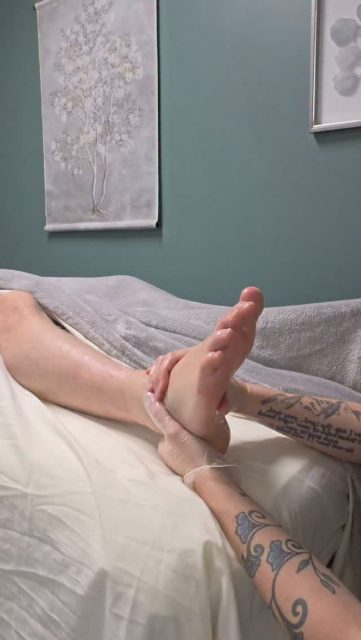
Our clinical bodywork and sports massage approach assesses your hips, pelvis, glutes, and IT band as an integrated system. We release excessive tension, restore mobility, and improve movement patterns so your body handles running demands better, whether you’re logging miles on the Capital Trail, exploring Pony Pasture, or training for a race.
By targeting root causes (not just the sore spot), many Richmond runners report faster relief, smoother strides, and fewer setbacks.
When to Seek Professional Help for Hip Pain
See a specialist if:
- Pain persists beyond 2 to 3 weeks.
- It worsens during or after runs or limits your stride.
- Discomfort spreads to knees, lower back, or groin.
- Stiffness reduces running confidence or enjoyment.
- Early intervention prevents chronic issues and gets you back on Richmond’s trails sooner.
FAQ: Hip Pain in Runners
1. Why do runners commonly get hip pain?
Repetitive impact, tight hip flexors, weak glutes, IT band tightness, and limited mobility cause most cases.
2. Does massage or bodywork help hip pain from running?
Yes. Clinical bodywork and sports massage effectively reduce tension, improve mobility, and address imbalances when hip pain stems from soft tissue restrictions.
3. Can I keep running with hip pain?
Mild discomfort might allow modified running, but pushing through often worsens compensation and delays healing.
4. How long does hip pain from running take to heal?
Mild cases improve in 2 to 6 weeks with rest and targeted exercises; persistent issues benefit from professional care for faster, lasting results.
Final Thoughts
Hip pain doesn’t have to sideline Richmond runners. With smart recovery, glute-focused strength, better mobility, and, when needed, expert clinical bodywork, most people return to pain-free running and stay consistent long-term.
If hip pain is holding you back from enjoying the Capital Trail, Pony Pasture, or your favorite Richmond routes, reach out to Precision Clinical Bodywork today. We’re here to help local runners move better, recover smarter, and keep doing what they love, without constant hip battles.
Book your session and get back to pain-free miles.
Related services and next steps
If hip pain is limiting your training, start with Sports Massage. For movement-specific tissue restrictions, Active Release Technique (ART) may be a better fit. For ongoing prevention and mobility support, Maintenance Massage is a strong option.
Review providers on the team page before booking.