Achilles pain is one of the most common issues we see in runners at Precision Clinical Bodywork, especially in runners over 40 or athletes training for longer races. It often starts quietly and gradually becomes harder to ignore.
Why Achilles Pain Develops in Runners: Achilles pain develops when the load placed on the tendon exceeds its current capacity. Sudden increases in mileage, speed work, hills, declining calf strength with age, limited ankle mobility, and poor recovery all contribute.
Why Stretching Alone Often Fails: Stretching may provide short-term relief but can reduce tendon stiffness and load tolerance, leading to recurring symptoms.
How to Recognize Worsening Achilles Pain: Morning stiffness, pain that warms up then returns, and reduced push-off strength are signs the tendon needs better load management.
What You Can Do at Home: Reduce speed work and hills temporarily, keep easy runs easy, improve ankle mobility, prioritize sleep, and introduce progressive calf strengthening.
Progressive Achilles Strength Exercises: Standing calf raises (2–3 sets of 10–15), bent-knee calf raises (2–3 sets of 10–12), BOSU ball calf raises with straight leg and glute engagement, pressing through the first and second metatarsals.
Cadence-Based Calf Raises: Stand on one leg, knee straight, glute lightly engaged. Rise for 1 second, lower for 1 second. Move straight up and down like an elevator and do not bounce. Continue for 1 minute or until fatigue.
Staying Fit While Achilles Pain Calms Down: Swimming and aqua jogging help maintain aerobic fitness without stressing the tendon.
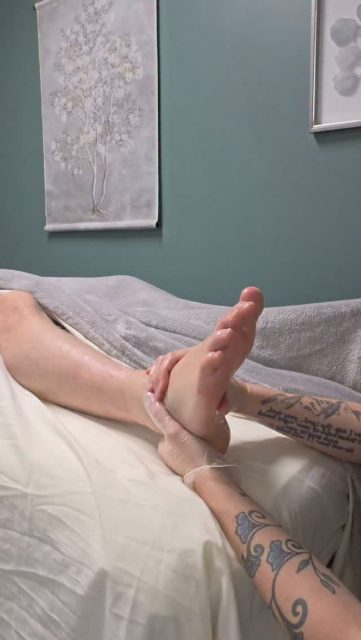
How Precision Clinical Bodywork Helps Runners: Our therapists assess whether Achilles overload is driven by foot stiffness, ankle mobility limits, calf weakness, or other muscles not firing effectively such as the glutes or hamstrings. Addressing the true driver reduces recurrence and improves mechanics.
Therapist Experience and Perspective: Abigail previously worked in a chiropractic office in Midlothian, where she learned extensively from a doctor with several decades of experience treating runners, cyclists, and swimmers with Achilles pain. That mentorship helped shape our approach to load tolerance, movement assessment, and sport-specific recovery.
When to Seek Professional Help: If Achilles pain lasts longer than two to three weeks, worsens with running, or morning stiffness increases, professional care can help.
Conclusion: Achilles pain does not resolve by chance. With smart load management, progressive strength, and targeted clinical bodywork, runners can return stronger and more resilient. Precision Clinical Bodywork helps runners in Richmond, Virginia recover smarter and stay active long-term.
Achilles Pain in Runners: Why It Happens and How to Fix It Before It Becomes Chronic
February 23, 2026
Related services and next steps
If Achilles pain is limiting your training, start with Sports Massage for load-related recovery and movement support. For movement-specific restriction patterns, Active Release Technique (ART) is another strong option. For ongoing tissue quality and prevention between flare-ups, Maintenance Massage can help.
You can review current providers on the team page and book your session when ready.