Scar Tissue Remodeling
Member Price:
Scar tissue remodeling is focused bodywork for areas where healed scar tissue feels tight, sensitive, raised, restricted, or difficult to move around. At Precision Clinical Bodywork in Mechanicsville, this service is used carefully for clients near Richmond, Hanover County, and surrounding communities who want support after surgery, injury, or long-term tissue restriction.
This page is intentionally practical and conservative. Scar work is not for open wounds, unstable healing, infected tissue, or anything that still needs medical clearance. When the area is fully closed and appropriate for hands-on care, the goal is to support comfort, mobility, tissue awareness, and easier movement around the scar. It is not a promise to remove a scar or replace medical treatment.
What scar tissue remodeling is
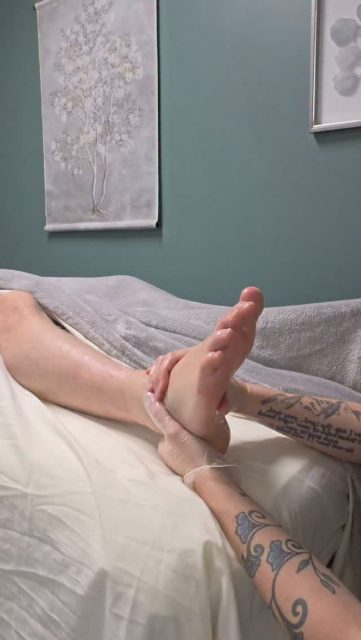
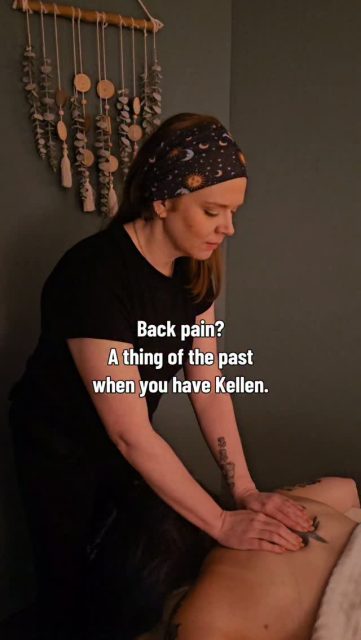
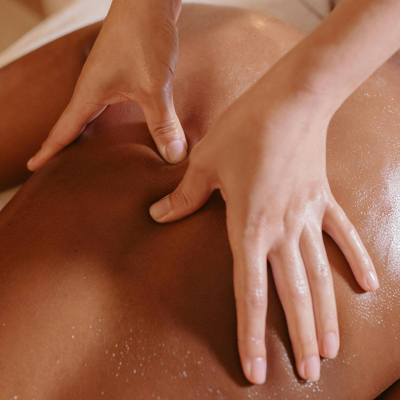
Scar tissue remodeling uses slow, specific bodywork around healed scar tissue and the nearby tissue that may be compensating. Depending on the area and your comfort level, your therapist may use gentle skin rolling, light cross-fiber work, myofascial techniques, small massage tools, Vitamin E oil, or careful movement-based work to help the tissue feel less stuck.
The work is usually more detailed than a general massage. Instead of spending the whole appointment on broad pressure, your therapist looks at how the scar and surrounding area move. A scar on the abdomen, chest, shoulder, knee, ankle, wrist, or back can change how nearby tissue feels and how you naturally guard the area. The session may include work directly around the scar and work on the muscles, fascia, and joints that have adapted around it.
Who scar tissue work may be a good fit for
Scar tissue remodeling may be helpful if a healed scar feels tight, tugging, tender, numb, thick, ropey, raised, or stuck to the layers underneath. Some clients notice the scar itself. Others mainly notice that a nearby area does not move the same way it used to.
- You have a fully healed surgical scar that still feels tight or restricted.
- You feel pulling around an old injury, incision, burn, or repair site.
- You have discomfort when stretching, reaching, twisting, walking, or exercising.
- You avoid touching the area because it feels odd, sensitive, or disconnected.
- You want careful, one-on-one support before returning to fuller activity.
Every scar is different. Age, surgery type, depth, skin sensitivity, swelling, nerve involvement, medical history, and current activity level all change what kind of work makes sense. If you are not sure whether bodywork is appropriate yet, ask your surgeon, physician, physical therapist, or other qualified provider first.
When to wait or ask a medical provider first
Scar tissue work should wait if the area is not fully closed, is warm, red, draining, unusually swollen, newly painful, or showing any sign of infection. It should also wait if you have not been cleared after a procedure and your provider has asked you to avoid pressure, stretching, massage, or topical products near the site.
Ask a medical provider before scheduling scar-focused bodywork if the scar is related to recent surgery, cancer care, complicated wound healing, blood clot concerns, radiation, a skin graft, a burn, a C-section, abdominal surgery, or any condition where pressure or manual work may be limited. We are happy to work conservatively once bodywork is appropriate, but medical timing needs to come first.
What to expect during a session
Your therapist will start by asking about the scar, how long it has been healed, what you notice day to day, and whether you have any medical restrictions. You do not need to force the area to be worked on if you are uncomfortable. Scar tissue remodeling should feel collaborative, not aggressive.
The pressure may be lighter than you expect. More force is not automatically better, especially around sensitive or recently healed tissue. Your therapist may begin around the scar before working closer to it. They may also check how nearby muscles and joints move, because the body often protects an old area by changing movement somewhere else.
Some clients feel warmth, softening, easier movement, or less guarded tension after a session. Others need several conservative sessions before the area feels less sensitive. The right pace depends on your tissue, your nervous system, and how the area responds afterward.
How it can support massage, lymphatic drainage, and mobility work
Scar tissue remodeling often pairs well with other services when the goal is broader comfort and movement. If you are dealing with general tightness or ongoing body tension, maintenance massage may help the surrounding muscles relax so the scar area is not carrying the whole problem alone.
If swelling or post-procedure fluid is part of the concern and you have appropriate clearance, lymphatic drainage massage may be a better first step or a useful companion service. If the scar is affecting movement patterns, your therapist may also talk with you about Active Release Technique, exercise support, or a referral to a physical therapist when rehab guidance is needed.
Local scar tissue support in Mechanicsville and Richmond
Clients visit Precision Clinical Bodywork from Mechanicsville, Richmond, Glen Allen, Ashland, Hanover, and nearby areas because they want bodywork that is specific instead of generic. Scar tissue work is a good example. The question is not just, “Can someone massage this scar?” The better question is, “Is this area ready, what is it affecting, and what level of work is appropriate today?”
That is why we treat scar tissue remodeling as careful bodywork, not a quick add-on that gets rushed. If the area needs light work, we keep it light. If the scar is old and the surrounding tissue can tolerate more specific work, we can progress thoughtfully. If the concern belongs with a medical provider first, we will say so.
Frequently asked questions
Can massage get rid of a scar?
No. Scar tissue remodeling is not about erasing a scar or guaranteeing a cosmetic result. The goal is to support comfort, mobility, and tissue movement around a healed scar. Some clients notice changes in how the area looks or feels, but appearance changes vary.
How soon after surgery can I schedule scar tissue work?
Only after the incision is fully closed and you have clearance for hands-on work near the area. Timing depends on the procedure and your healing process. If you are unsure, ask your medical provider before booking.
Will scar tissue remodeling hurt?
It should not feel like forced, painful digging. Some areas may feel tender, odd, or sensitive, especially if you have avoided touching the scar. Your therapist should adjust pressure and pacing based on your feedback.
Is this different from lymphatic drainage massage?
Yes. Lymphatic drainage massage focuses on gentle fluid movement and swelling support. Scar tissue remodeling focuses more on mobility, sensitivity, and restriction around healed scar tissue. Depending on your situation, one may come before the other.
Can you work on old scars?
Often, yes. Older scars may still feel restricted or sensitive years later. The work may be slower and more focused, but age alone does not mean the scar cannot be assessed for comfort and mobility support.
Book scar tissue remodeling support
If you have a healed scar that feels tight, sensitive, stuck, or connected to movement limits, you can ask whether scar tissue remodeling is a good fit for your next appointment. If the area is recent or medically complicated, please check with your provider first, then contact Precision Clinical Bodywork so we can help you choose the right service path.
Regular Price: $30.00
Member Price: