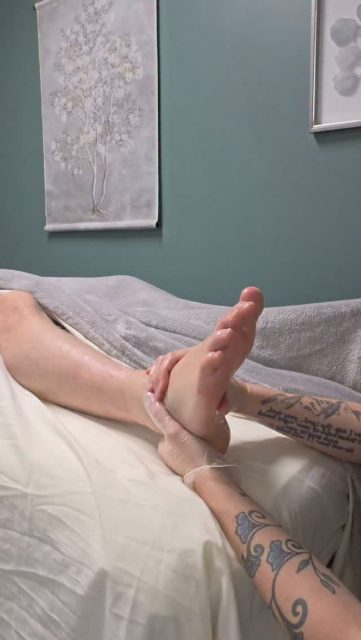
Pregnancy changes the rules for massage. The goal is still comfort, but the way a session is built should be different: safer positioning, thoughtful pressure, better bolstering, and a therapist who understands that your body may feel different from one week to the next.
At Precision Clinical Bodywork, clients from Richmond, Mechanicsville, and Ashland book Prenatal Massage when they want supportive bodywork that respects pregnancy instead of working around it as an inconvenience.
Quick answer
Prenatal massage is usually about safer positioning, better support, and pressure that changes with your body. If your pregnancy is high-risk or you have new symptoms, check with your OB-GYN or midwife before booking.
Can you get massage while pregnant?
For many people, yes. ACOG notes that prenatal massage is commonly offered by therapists trained to work with pregnant clients, and side-lying positioning is usually preferred over lying facedown. That does not mean every massage is automatically appropriate during pregnancy.
If your pregnancy is high-risk, if you have new symptoms, or if your medical provider has given restrictions, ask your OB-GYN or midwife before booking.
When should you start prenatal massage?
There is no single perfect week for everyone. Some clients start when back, hip, or shoulder tension begins to interfere with sleep. Others wait until later pregnancy when the physical load is more noticeable. Some use prenatal massage as a monthly reset throughout pregnancy.
A practical rule: start when you have a clear reason and your care team has not told you to avoid massage. Reasons might include low-back tension, hip discomfort, leg fatigue, stress load, or trouble finding a comfortable position to rest.
What makes prenatal massage different from regular massage?
The biggest difference is not just lighter pressure. It is decision-making.
A prenatal session should account for:
- side-lying or otherwise pregnancy-safe positioning
- bolsters and pillows that keep your hips, belly, shoulders, and neck supported
- pressure that matches your stage of pregnancy and comfort level
- areas that may need extra caution
- clear communication before and during the session
Good prenatal work should not feel generic. It should feel like the therapist is adapting the session to your body that day.
What a pregnancy-aware setup should include
Pillows and bolsters should support your belly, hips, shoulders, knees, and neck so you are not bracing.
Your therapist should ask about trimester, symptoms, provider restrictions, and what changed recently.
The right pressure is based on comfort, pregnancy stage, tissue response, and your goals that day.
Severe pain, bleeding, dizziness, sudden swelling, infection signs, or concerning contractions come before massage.
Common reasons Richmond clients book prenatal massage
Pregnancy discomfort is not always dramatic, but it can wear you down. Small things stack up: poor sleep, tight hips, sore low back, neck tension, leg fatigue, and the feeling that your body is working hard even when you are sitting still.
Prenatal massage may help with comfort around:
- low-back and hip tension
- neck and shoulder tightness
- glute and leg fatigue
- stress-related muscle guarding
- difficulty relaxing into rest
ACOG also notes that movement during pregnancy can help reduce back pain for many people. Massage fits best as part of a bigger support plan: prenatal care, appropriate movement, rest, hydration, and anything else your provider recommends.
How to choose a prenatal massage therapist
Ask direct questions. A trained therapist should be able to explain how they position pregnant clients, how they adjust pressure, and when they would ask you to get medical clearance first.
Good signs include:
- they use side-lying support comfortably
- they ask about your pregnancy, symptoms, and provider restrictions
- they do not make medical claims
- they adjust the session instead of treating it like standard deep tissue massage
- they are comfortable with trauma-informed and gender-affirming care
Who to book with at Precision Clinical Bodywork
For prenatal care, start with Prenatal Massage. Current provider fit may include Ally Panzica or Abigail Williams. You can also review the full team page if you want help choosing the best match.
If you are looking ahead to recovery after birth, read about Postnatal Massage. If swelling or fluid support becomes the main issue, Lymphatic Drainage Massage may also be relevant.
When to pause and call your provider
Massage is not the right first step if you have severe pain, heavy bleeding, dizziness, shortness of breath, sudden swelling, signs of infection, contractions that concern you, or any symptom your prenatal care team has told you to report. In those cases, call your medical provider first.
Prenatal massage near Richmond, VA
Precision Clinical Bodywork is based in Mechanicsville and serves clients from Richmond, Ashland, and nearby communities. If location is part of your decision, you can compare Massage in Richmond, VA, Massage in Mechanicsville, VA, and Massage in Ashland, VA.
If you already know you want pregnancy-aware support, go straight to Prenatal Massage or book your appointment.
Medical disclaimer: This article is educational and is not medical advice. Prenatal massage is supportive care and does not replace prenatal medical care or instructions from your OB-GYN, midwife, or healthcare team.
Frequently asked questions
When is the best time to start prenatal massage?
There is no single best week. Many clients start when back, hip, leg, neck, or sleep-related discomfort begins affecting daily life and their prenatal care team has not told them to avoid massage.
Do I need medical clearance before prenatal massage?
Not always, but you should ask your OB-GYN or midwife first if your pregnancy is high-risk, you have new symptoms, or your care team has given activity or bodywork restrictions.
Can I lie on my stomach during prenatal massage?
Many prenatal sessions use side-lying positioning instead. A trained therapist should be comfortable using pillows and bolsters so your belly, hips, shoulders, and neck are supported.
What should I ask before booking?
Ask how the therapist positions pregnant clients, how they adjust pressure, what information they need before the session, and when they would recommend medical clearance first.
Can prenatal massage help after birth too?
Postnatal Massage may be a better fit after birth, especially when your goals change from pregnancy comfort to recovery, feeding posture, sleep disruption, or scar and swelling support.